Why Fluorescent Lighting Fails and How to Fix It
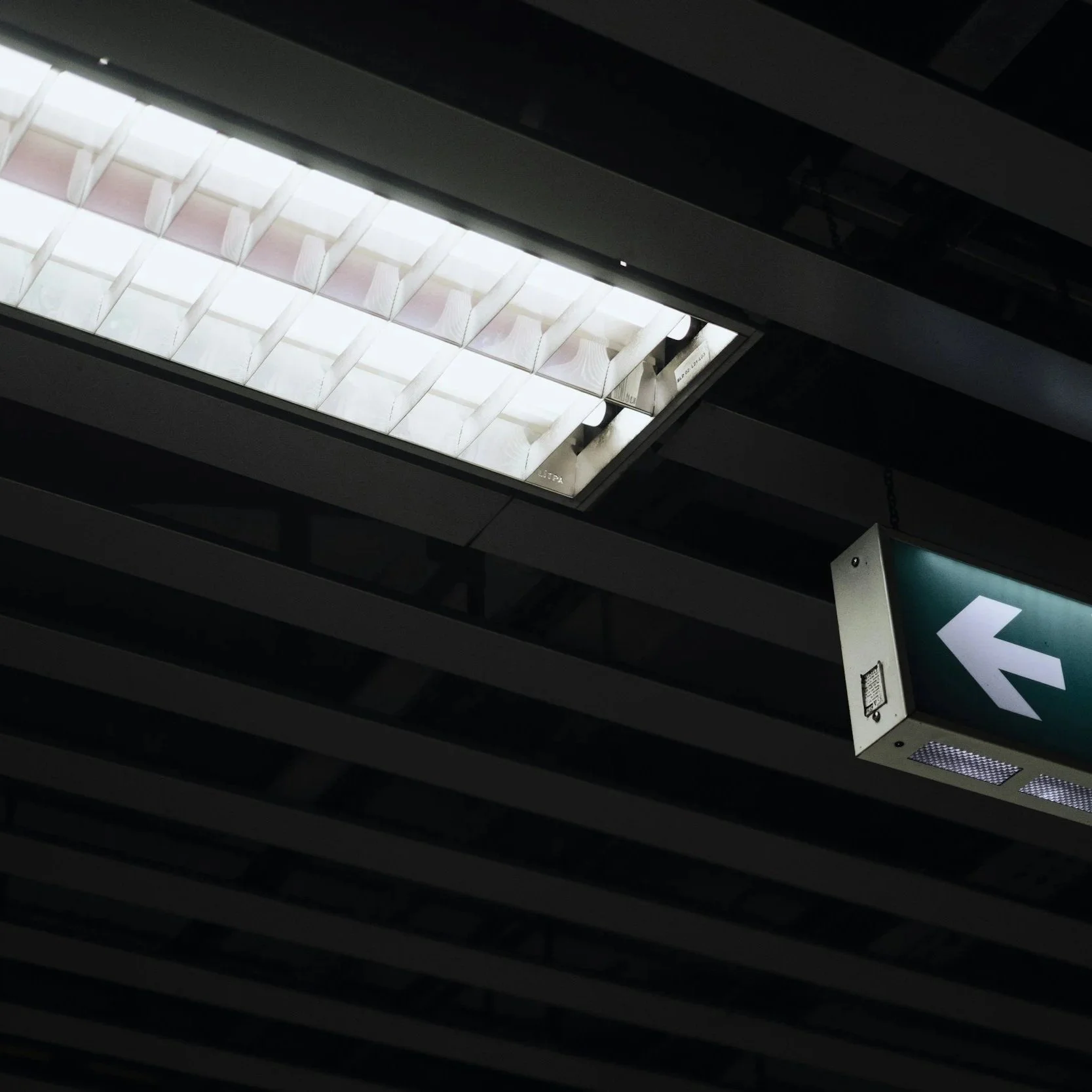
When these lights stop cooperating, the root cause usually traces back to just a few troublemakers—often starting with the fluorescent ballasts.
The familiar flicker of fluorescent lights can either mean a bulb is waking up or waving goodbye. Fluorescent fixtures have served commercial, industrial, and residential spaces for decades, but they come with their quirks. When these lights stop cooperating, the root cause usually traces back to just a few troublemakers—often starting with the fluorescent ballasts. Understanding how they work, why they fail, and what to do about it can keep a space well-lit without the flickering frustration.
Understanding How Fluorescent Lights Work
A fluorescent light is more than a simple bulb and switch. It's a collaboration of gases, electrodes, phosphor coatings, and, most importantly, a ballast. The ballast controls the current that flows through the lamp, delivering the correct voltage to start the arc between the electrodes and then stabilizing the current to keep the lamp running. Without the ballast, the light would either never start or draw too much current, burning out quickly—sometimes dramatically.
The Role of the Fluorescent Ballast
Ballasts are the unsung heroes inside the fixture. They manage the energy flow in a controlled, measured way. An aging ballast, however, begins to misbehave. It may hum, overheat, or cause lamps to flicker or dim unpredictably. Unlike the bulbs, which wear out more predictably, a failing ballast often hides in plain sight, quietly affecting light quality and consistency before drawing attention.
Common Signs of Trouble
When fluorescent lights start misbehaving, they give a few clear warnings. Flickering that never settles, lights that struggle to start, or bulbs that light only on one end can all be traced to faulty components. A buzzing sound that wasn't there before may also point toward ballast trouble. Dark patches on the tube ends suggest the lamp is nearing the end of its life, but when combined with flickering or inconsistent lighting, the ballast deserves a closer look.
Diagnosing the Ballast
Before rushing to replace anything, it's important to identify whether the issue lies with the lamp or the ballast. Replacing the bulb with a known-good one is a quick first step. If the new bulb behaves the same, the ballast might be the culprit. Ballasts can also overheat and show signs of wear, such as a burned smell or discoloration near the fixture. When working with electrical fixtures, power should always be off before attempting any inspection. Ballasts store voltage even after power is cut off, so handling them requires care.
Replacing a Failing Ballast
When it's clear the ballast is no longer doing its job, replacement becomes necessary. Ballasts come in several types—magnetic, electronic, rapid start, instant start, and programmed start—and matching the new ballast to the correct lamp type is critical. Modern electronic ballasts offer quieter operation, greater efficiency, and a longer lifespan than older magnetic types. Upgrading to an electronic ballast can also eliminate humming and reduce flicker.
Before replacement, it's worth checking the wiring diagram on the existing ballast. Each ballast model may use different wire configurations, and connecting the new one incorrectly could damage both the fixture and the lamp. Replacing a ballast takes precision, a screwdriver, wire strippers, and a bit of patience. A professional electrician can perform the task quickly and safely, especially in spaces with multiple failing units or high ceilings.
Other Reasons Fluorescent Lights Fail
Not every lighting failure points straight to the ballast. Fluorescent tubes themselves have a lifespan, and old tubes eventually wear out. The electrodes inside the bulb degrade over time, leading to uneven lighting or failure to start. Environmental factors also take a toll. Cold temperatures make fluorescent lights sluggish to start and more prone to flickering, particularly with magnetic ballasts.
Loose wiring, bad sockets, or faulty switches can also interrupt power delivery. Corrosion inside the fixture from humidity or age often leads to intermittent power, resulting in inconsistent lighting performance. Regular maintenance and inspections help prevent these issues before they interfere with daily operations.
Considerations for LED Upgrades
Many fluorescent fixtures now face retirement in favor of LED upgrades. LEDs offer longer life, lower energy consumption, and no flickering drama. Some LED tubes are compatible with existing fluorescent fixtures and can bypass or replace the ballast entirely. Others require fixture rewiring or a complete fixture swap, depending on the setup.
Converting to LED lighting might involve an upfront cost but pays off over time in reduced maintenance and lower utility bills. The simplicity and efficiency of LED technology eliminate many of the problems that plague older fluorescent systems. With no ballast to worry about and fewer components to fail, LEDs have become the go-to choice for many business owners and property managers.
Maintaining Fluorescent Fixtures
For spaces that stick with fluorescent lighting, consistent maintenance keeps things running smoothly. Periodic inspections can catch failing ballasts, worn sockets, or dimming bulbs before they cause larger disruptions. Keeping fixtures clean prevents dust buildup, which can lead to overheating or reduced light output. When bulbs dim or flicker, replacing them promptly reduces strain on the ballast and extends fixture life.
Understanding the difference between a dying bulb and a failing ballast saves time and money. Replacing bulbs without addressing a faulty ballast means the problem will return, sometimes faster than expected. Electrical components deserve attention, especially when they're responsible for lighting critical spaces like offices, kitchens, and workshops.
Knowing When to Call a Pro
While some lighting issues can be fixed with a step ladder and a steady hand, commercial settings often benefit from professional support. Electricians trained in commercial lighting systems can quickly diagnose and repair failing fixtures. They bring the right tools, knowledge of safety codes, and experience to troubleshoot ballasts, rewire fixtures, or recommend system upgrades.
In environments with frequent ballast issues, a professional may suggest replacing multiple units at once or switching to an LED-based system for better long-term reliability. When a fixture buzzes or flickers constantly, the cost of frequent replacements adds up quickly. A professional electrician provides a solution that holds, not just a quick fix that delays the next breakdown.
Fluorescent lighting doesn't always go quietly, but understanding how it works and what to do when it starts to fail helps maintain a functional and efficient lighting system. With proper care, occasional upgrades, and timely replacements, even an aging lighting system can stay reliable and bright. When the ballast misbehaves, the fix might be a simple swap—or a sign it's time to move forward with something a little brighter and a lot less finicky.
